 how-to
How to Navigate FHA Loan Requirements
Table of Contents
- What You'll Need Before Starting Your FHA Loan Application
- FHA Loan Credit Score Requirements
- FHA Debt-to-Income Ratio Limits and Calculation
- Down Payment and Mortgage Insurance Premium
- Employment, Income, and Asset Verification
- Property Standards and Appraisal Requirements
- FHA Loan Application Checklist
- Common Mistakes to Avoid During the FHA Process
- Frequently Asked Questions
Last Updated: September 18, 2026
What You'll Need Before Starting Your FHA Loan Application
FHA loans have clear, published requirements. Gathering the right documents upfront saves time and stress.
The most common mistake buyers make is waiting too long to get organized. Start collecting documents now, even if you're not applying yet.
Here's what you'll need to have ready:
- Social security number for all applicants
- Valid government-issued ID (driver's license or passport)
- Recent pay stubs (last 2-3 months)
- Tax returns (last 2 years)
- Bank statements (last 2 months, showing savings and checking accounts)
- Employment history (last 2 years)
- List of debts (credit cards, car loans, student loans, mortgages)
The application itself is straightforward once you have these ready. Most lenders can review your basic info in a few days.
FHA Loan Credit Score Requirements
An FHA loan credit score requirement is typically lower than conventional loans. Many lenders accept borrowers with credit scores in the 580 range; some work with scores as low as 500 with a larger down payment.
A lower credit score doesn't mean automatic rejection, it means you'll pay a higher interest rate depending on your specific score and lender.
Credit history tells a story: recent late payments look worse than old ones. Lenders want to see improvement over time.
Scores below 620 mean higher rates and stricter underwriting; above 660 qualifies you for better terms. The difference can cost thousands over the loan's life.
FHA Debt-to-Income Ratio Limits and Calculation
The debt-to-income ratio (DTI) measures your ability to handle a mortgage payment: divide your monthly debt payments by your gross monthly income.
FHA loan requirements typically cap your DTI at 43 percent, your total monthly debt payments (including the new mortgage) should not exceed 43 percent of your gross monthly income. Some lenders go up to 50 percent in certain cases.
Here's how to calculate it:
- Add up all monthly debt payments (credit cards, car loans, student loans, current mortgage if you have one)
- Add the estimated new mortgage payment (principal, interest, property taxes, insurance, mortgage insurance)
- Divide total debt by gross monthly income
- Multiply by 100 to get a percentage
If your DTI exceeds 43 percent, you can pay down debt, increase income, or find a less expensive property. Manual underwriting may be available if you have strong compensating factors like significant savings or stable employment.
Down Payment and Mortgage Insurance Premium
FHA loans require a minimum 3.5 percent down payment, a major advantage over conventional loans, which typically require 5-20 percent (Loans). For a $250,000 home, that's just $8,750.
The trade-off is mortgage insurance premium (MIP), which protects the lender if you default. You pay MIP two ways: upfront (1.75 percent of the loan amount at closing) and annually (0.5-0.8 percent added to your monthly mortgage).
For a $250,000 loan, upfront MIP is around $4,375 (rolled into your loan). Annual MIP adds roughly $100-170 per month.
Annual MIP stays for the loan's life if you put down less than 10 percent; it falls off after 11 years if you put down 10 percent or more.
Employment, Income, and Asset Verification
Lenders need proof of your income and employment stability. Most require at least two years of stable employment history.
W-2 Wage Earners
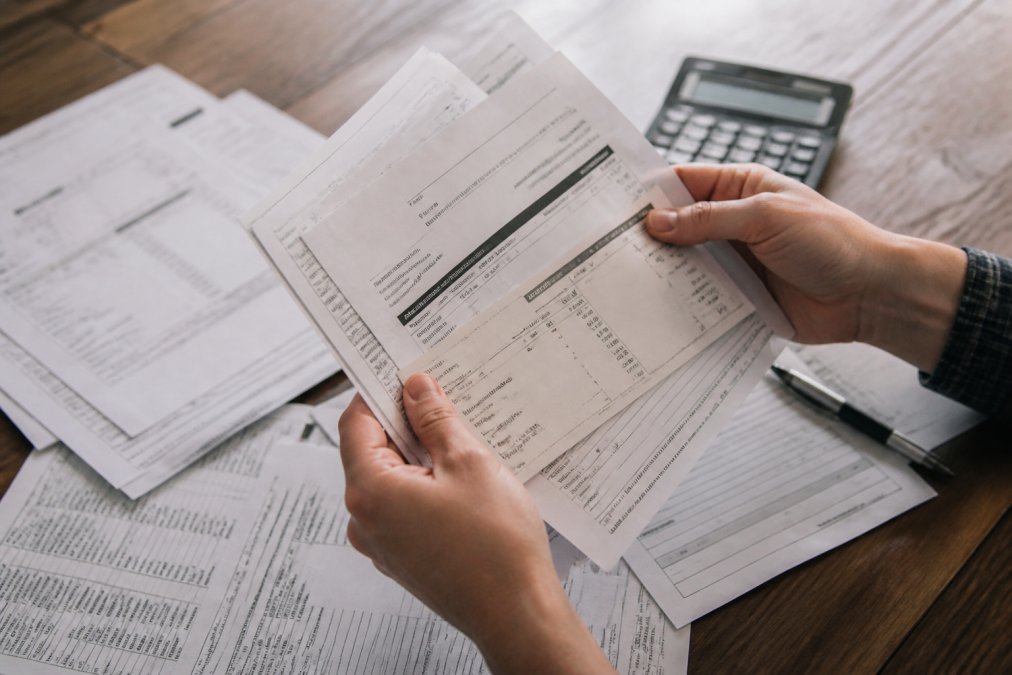
For traditional employees, provide recent pay stubs (2-3 months), tax returns (2 years), and an employment verification letter from your employer. Lenders flag job changes within 2 years, especially if changing industries or taking a pay cut. Document that new positions are in the same field and pay the same or more.
Self-Employed Income Documentation
Self-employed borrowers need 2 years of personal and business tax returns, a current P&L statement, 2-3 months of business and personal bank statements, and an accountant letter confirming business structure and income stability. Lenders average self-employed income over 2 years, which may lower counted income if year one showed losses. Businesses less than 2 years old require manual underwriting.
Red flags include inconsistent income, discrepancies between business and personal returns, unexplained deposits, and recent structure changes.
Bonus, Commission, and Irregular Income
Bonus, commission, and overtime income require 2-year averaging. Lenders count increasing income favorably but question declining trends.
Assets and Reserves
Lenders want reserves, savings beyond your down payment, demonstrating financial stability. Reserves include savings, investments, and sometimes retirement accounts. Typically, lenders want 2-3 months of your new mortgage payment in liquid savings; self-employed borrowers and those with lower credit scores may need more.
Property Standards and Appraisal Requirements
The property must meet FHA standards for safety and livability. An FHA appraiser inspects the roof (2+ years remaining), foundation, electrical and plumbing systems, heating/cooling, and checks for hazards like lead paint, mold, and pest damage.
FHA Loan Application Checklist
Use this checklist to track your progress through the FHA loan process. Staying organized makes everything move faster.
| Item | Status | Notes |
|---|---|---|
| Gather pay stubs (2-3 months) | Pending | Required for income verification |
| Collect tax returns (2 years) | Pending | Self-employed applicants need more docs |
| Get bank statements (2 months) | Pending | Shows savings and assets |
| Request credit report | Pending | Check for errors before applying |
| List all debts | Pending | Calculate DTI with your lender |
| Employment verification letter | Pending | Ask HR or employer for this |
| Proof of down payment funds | Pending | Show where the money came from |
| Gift letter (if applicable) | Pending | Required if family is gifting funds |
| Pre-approval letter | Pending | Needed to make offers |
| Property appraisal scheduled | Pending | Happens after offer is accepted |
| Final walkthrough completed | Pending | Day before closing |
| Closing disclosure reviewed | Pending | Review 3 days before closing |
Common Mistakes to Avoid During the FHA Process
The biggest mistake is applying before you're ready. Each credit pull lowers your score slightly. Get pre-approved with one lender first instead of applying to multiple lenders.
Timing Mistakes
Job changes raise red flags, especially to different industries or lower-paying roles. If you must change jobs, ensure the new position is in the same field and pays the same or more. Ideally, wait until after closing.
Credit and Debt Mistakes
New debt during your application can push your DTI over the limit. Lenders pull credit again before closing. Avoid new credit inquiries, accounts, and debt from pre-approval through closing.
What Happens If You Don't Meet Standard Requirements?
If your credit score is below 580, your DTI exceeds 43 percent, or you have other borderline issues, manual underwriting may help. A human underwriter reviews your entire financial picture and looks for compensating factors, strengths that offset weaknesses.
Property and Appraisal Mistakes
If the home appraises below purchase price, the lender won't lend more than the appraised value. Renegotiate the price, cover the difference, or walk away. Request the appraisal report and read it carefully. You can request a reconsideration of value (ROV) with new evidence like comparable sales or recent repairs.
Frequently Asked Questions
What is the minimum credit score needed for an FHA loan?
Most FHA lenders require a minimum FICO score of 580 to qualify for the standard 96.5% loan-to-value ratio program. If your credit score is between 500 and 579, you may still qualify but will need a larger down payment of at least 10%. The FHA itself does not set a minimum credit score requirement, individual lenders establish their own thresholds. Factors beyond your credit score, such as your debt-to-income ratio and employment history, also influence approval.
What debt-to-income ratio do FHA lenders allow?
The FHA allows a front-end ratio of up to 43% (housing costs divided by gross monthly income) and a back-end ratio of up to 50% (all debts divided by gross monthly income). Some lenders may approve up to 56.9% back-end ratio with compensating factors such as significant cash reserves or a strong credit history. Your debt-to-income ratio is calculated during underwriting, and exceeding these limits typically disqualifies you unless manual underwriting is used to evaluate your overall financial stability.
What documents do I need for an FHA loan application?
You'll need recent pay stubs (typically the last two months), W-2s (last two years), a signed tax return (most recent year), bank statements (last two months), identification, and employment verification. If you're self-employed, provide profit-and-loss statements and tax returns for the last two years. The lender will also order an appraisal and pull your credit report. Having these documents organized in advance speeds up the underwriting process and reduces delays.
Can I qualify for an FHA loan if I have a low credit score?
Yes, if your FICO score falls between 500 and 579, you can still qualify for an FHA loan, but you'll need to make a 10% down payment instead of the standard 3.5%. You may also face a higher interest rate and stricter debt-to-income requirements. Manual underwriting may be available if your score is below 580 and other factors (like stable employment, reserves, or compensating factors) demonstrate your ability to repay. Speaking with an experienced lender about your specific situation is important before assuming you're ineligible.